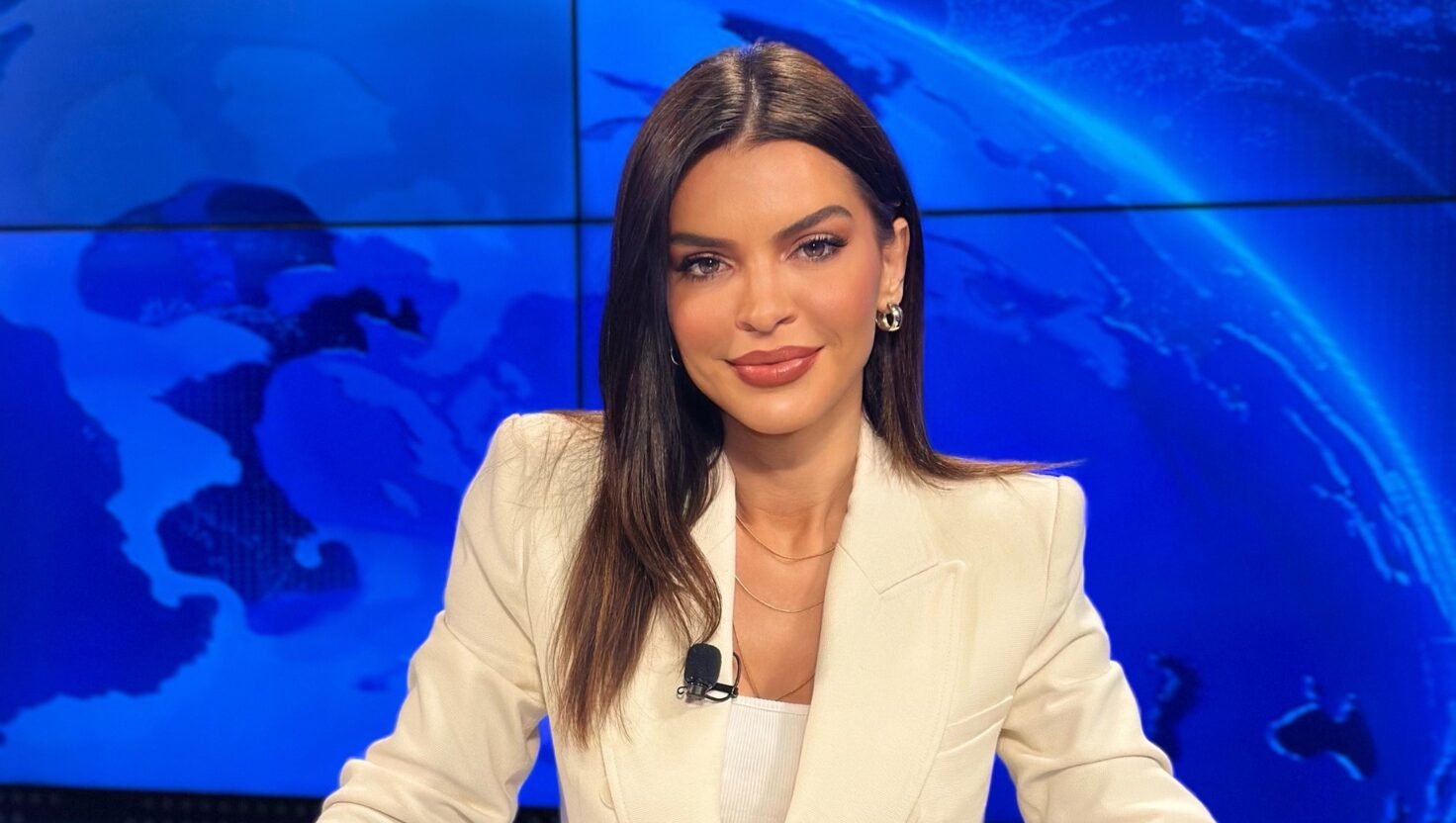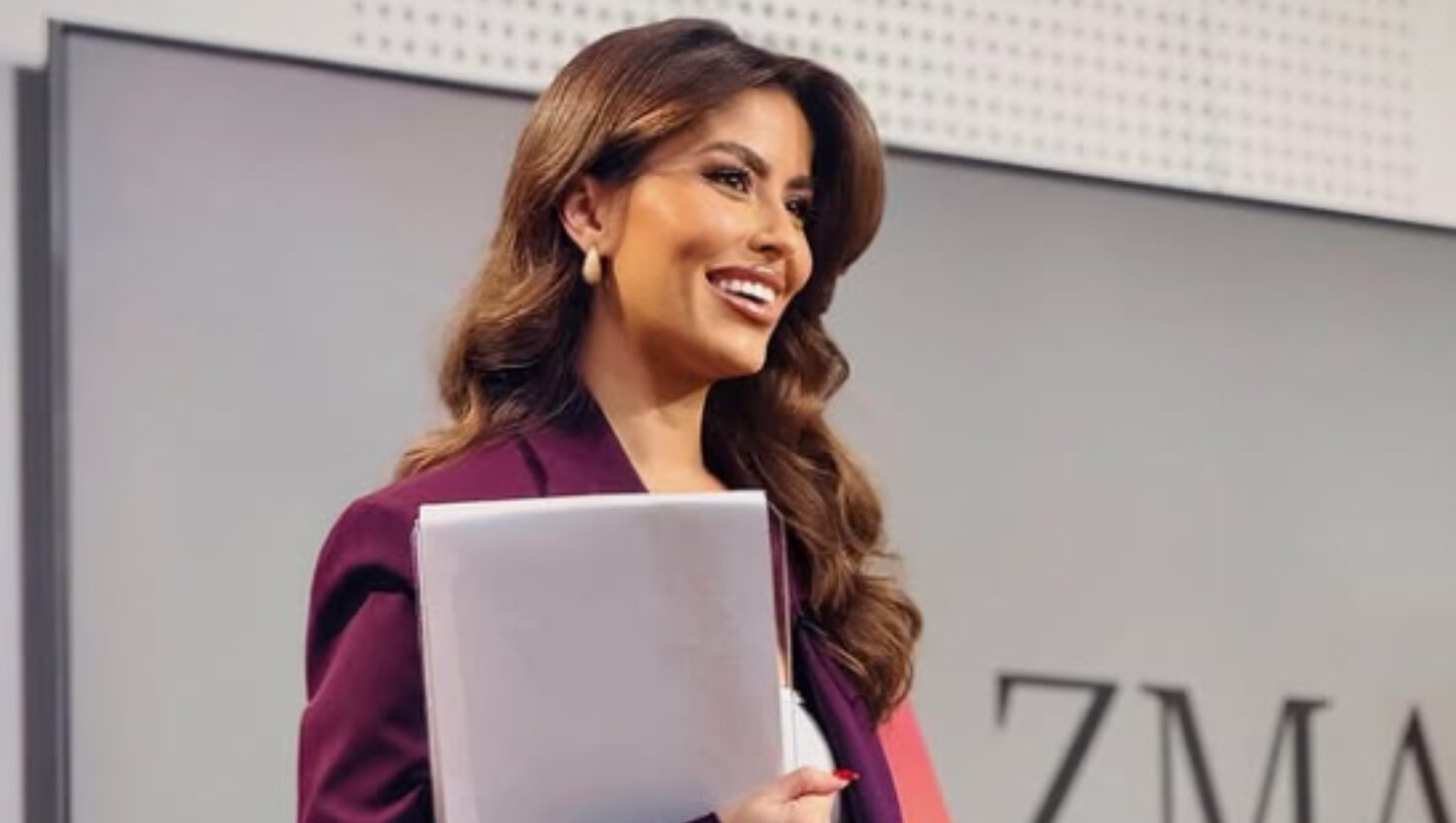
She entered the media very young, only 14 years old, not knowing she was stepping into a harsh terrain where it is not always the best who survive, but the strongest. Between the cameras, the fast pace and an often merciless public, Flora Shabani grew professionally while facing challenges that went far beyond journalism — prejudice, pressure and a relentless battle on screen.
In a conversation with Mollëkuqja, she described two decades on screen as a journey that demanded much more than talent: resilience, sacrifice and a tremendous strength to protect her identity. Shabani spoke openly about the "double challenge" that women experience in visual media.
What are the biggest challenges women face in visual media compared to men?
Women in visual media do not only face professional competition, but a much harsher and often unfair terrain. Unlike men, we must constantly prove that we deserve to be there, not only through our work, but also by breaking through prejudices that follow us at every step.
Public pressure is also far more severe toward women. Criticism often crosses the professional boundary and becomes personal, which demands a great deal of emotional strength to withstand without losing focus.
And above all, the greatest challenge is to remain authentic in an environment that constantly pushes you to conform to ready-made molds. Preserving your identity while fighting for your place is perhaps the hardest battle, but also the most important one.
Do you think women on screen are more often judged for their physical appearance rather than their professional substance, and why does this happen?
Yes, and that is one of the greatest injustices in this profession. Women are frequently reduced to their looks, while their work, dedication and preparation remain in the shadows.
But the reality is this: the moment you build yourself as a strong and consistent voice, that perception begins to break down. It does not happen overnight, because society often tries to deny you your success, but in the end, consistency wins. I have experienced this personally. It took me nearly two decades to shift that perception and build an identity that is not tied solely to the screen, but to substance and professional credibility.
And what I have come to understand is that only solid, honest work, work done purely on your own merits, builds lasting and long-term success. Because in the end, what remains is not the image, but the trust you have built with your audience.
After all these years on screen, what have been some of the most challenging moments for you in this profession, and how much have the expectations or perceptions tied to the role of women in media affected you?
I entered this world very early, only 14 years old, without truly knowing how harsh it was. The media is a ruthless world, and only the strongest survive.
The most challenging moments were not only professional, but personal as well. I have paid a price for public life, denying myself many things I might have otherwise enjoyed had I not been part of the screen. Privacy, peace of mind and the freedom to simply be myself are things that are often compromised on this path.
Beyond that, I have faced prejudice of all kinds, from doubts about my abilities to unjust labels that come simply because you are a woman on screen. There were moments when I had to fight not only for my work, but for my professional dignity. There were attempts to put me in a box, to limit me or to undermine me. But I chose not to accept those limits.
In this profession, no one hands you the place you deserve. You have to earn it through hard work, defend it every single day and above all, never lose yourself along the way.
How can the culture of newsrooms and of the public be changed to accept women not only as presenters, but as critical and analytical voices?
It takes more courage, both from newsrooms and from women themselves. Newsrooms must stop thinking of women merely as faces on screen and give them real space in decision-making and analysis. On the other hand, women must also claim that space without asking for permission. Because if you wait for someone to hand it to you, you will often be left waiting. Change happens when you yourself decide to no longer accept the limitations imposed on you. It must also be said that the public plays a very important role. The public must learn to listen to women for what they say, rather than immediately reacting with prejudice or attacks, especially on social media. Unfortunately, the first reaction is often not reflection on the content, but personal judgment.
What advice would you give to young women who want to enter the media but hesitate because of prejudice and public pressure?
If you decide to enter the media, you must make a deal with yourself: it will not be easy, but it will be worth it.
Do not wait for someone to open the door for you. Do not wait for guaranteed support, favors or a paved path from your family, your partner or your friends. Because in most cases, even when they come, they do not last forever.
I am proof that you can make it on your own strength alone. I started very young, not knowing what I was getting into, and I built every single step myself, through hard work, sacrifice and great resilience.
In this profession, no one gives you success. On the contrary, they often try to take it from you. But if you are strong, prepared and refuse to give up, you can achieve everything you deserve, without owing anything to anyone. And that is the greatest victory of all.