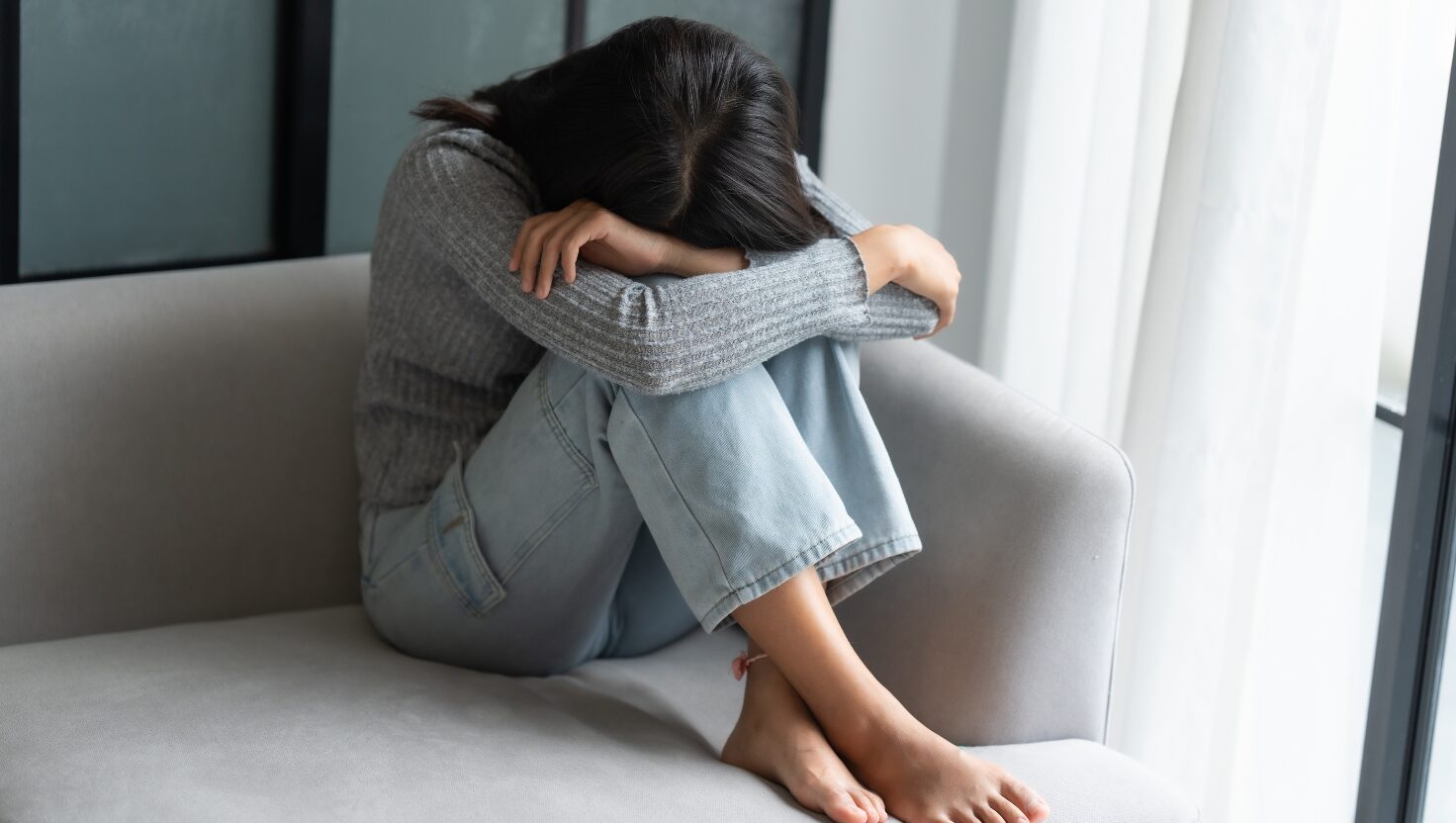
A new survey by YouGov has revealed that nearly three quarters of women in the United Kingdom are unaware that menopause can cause a new mental health condition.
The survey, representing more than 20 thousand psychiatrists, found that only 28% of women are aware that menopause can be linked to the onset of a new mental health condition.
Meanwhile, 93% of women associate menopause with hot flashes, while 76% link it to a decrease in sexual desire.
As a result of this lack of information, many women do not seek and do not receive the necessary help, the report states.
Experts say that menopause can have a significant, yet often underestimated, impact on women’s mental health and well-being.
The report highlights the impact of menopause and the period before it (perimenopause) on mental health.
Anxiety and low mood are relatively common as a result of hormonal changes, but for some women menopause can significantly increase the risk of serious mental health disorders.
According to the report, women in perimenopause are more than twice as likely to develop bipolar disorder and 30% more likely to develop clinical depression.
Hormonal and physical changes can also trigger the recurrence or onset of eating disorders. Additionally, suicide rates are higher among women in the menopausal age group.
The report also emphasizes that women with bipolar disorder who have experienced postpartum depression or severe mood symptoms before menstruation have a higher risk of relapse of depression during menopause.
What is menopause?
Menopause is the period during which the reproductive years are coming to an end; it is the opposite of puberty. Some women experience negative effects as they approach it, while others view it as a very positive stage of their lives. Menopause marks the end of the reproductive years, and after it is completed, there is no longer a need to worry about unwanted pregnancy. Menopause is a process that typically begins in the late 40s or early 50s, although it can occur earlier or later. It is also a process divided into three distinct phases.
Perimenopause
This is the initial phase of menopause, during which the most significant changes occur in the body. This phase lasts from 4 to 8 years. One of its main characteristics is changes in the menstrual cycle.Perimenopause ends when the menstrual cycle stops. During these years, women may experience sudden hot flashes, night sweats, and lower levels of estrogen. mund shkaktojë një hollim dhe thatësi në indet vaginale Low estrogen levels can cause thinning and dryness of vaginal tissues, making sexual activity more difficult. Women in this phase may also experience sleep disturbances, mood changes,weight gain, hair thinning, and dry skin.
All these symptoms can cause discomfort for some women. If you experience such symptoms, it is important to consult a doctor to find an appropriate solution and treatment. Some women use hormone therapy to replace lost estrogen and alleviate menopausal symptoms.
However, this treatment is subject to debate, so it is important to discuss all available options with your doctor.
Menopause
Menopause is often used to describe the entire process, but technically it refers to the 12-month period after the last menstrual At this stage of life, the menstrual cycle has ended and the reproductive years are over. të fundit. Në këtë pikë të jetës, cikli menstrual ka përfunduar dhe ditët e tua të pjellorisë kanë marrë fund.
Postmenopause
For the rest of your life, you will be in postmenopause. The symptoms of perimenopause have largely subsided. However, there are other health issues that women in this phase may experience. At this stage, it is important to focus on conditions that can be prevented through regular check-ups. It is recommended to undergo mammography,thyroid testing, colonoscopy, and other examinations, especially if there is a family history of disease. During this phase, bone health is another important aspect that requires attention. Osteoporosis is a condition in which bones lose density, making them more fragile and weaker, mainly due to the decrease in estrogen during menopause. At all times, it is important to maintain a regular and balanced diet along with physical activity.