North Macedonia has once again ranked near the bottom of the list of countries in the latest report by ILGA Europe regarding the rights of the LGBTI community. ILGA Europe is an independent international umbrella organization that advocates for human rights and equality for LGBTI people across Europe and Central Asia.
According to the report,in 2025 the country received a score of 29,26% 29.26% and ranked 31 out of 49 countries in terms of the legal and political situation of LGBTI people. The assessment covers areas such as equality, hate speech, legal gender recognition, and the space available for civil society.
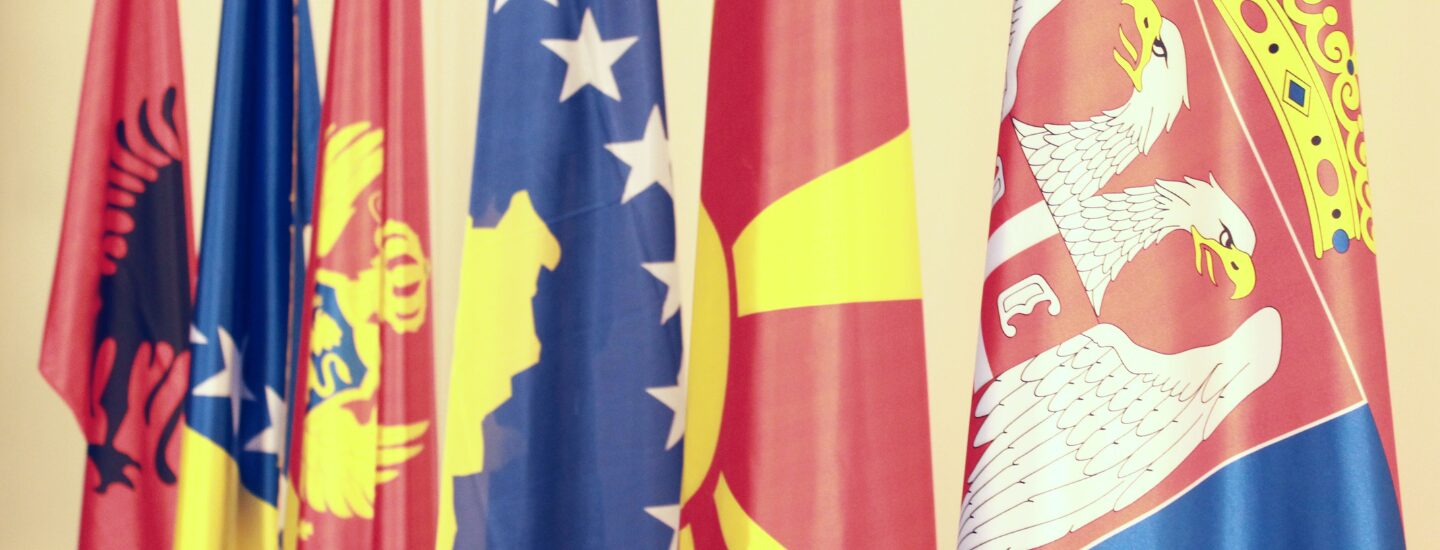
North Macedonia recorded a slight decline compared to last year and has the weakest ranking among the countries of the Western Balkans. Kosovo is better ranked in the region, placing 28th with 34.82%, followed by Serbia in 27th place with 35.26%, and Albania in 26th place with 35.45%. The best-ranked country in the region is Montenegro, which holds 19th place with 49.28%, while Bosnia and Herzegovina, with 39.63%, ranks 24th.
The top five countries in the ranking are Malta – 88.83%, Belgium – 85.31%, Iceland – 84.06%, Denmark – 80.10%, and Spain – 77.97%. The European Union average stands at 51.13%, while the European average is 41.85%.
ILGA Europe has also published a broader report on the legal and political situation of this community in 2025. In the section concerning North Macedonia, it states that the withdrawal of funding from the United States, and particularly from USAID, has had a severe impact on the work of organizations and activists advocating for LGBTI rights, as well as on the provision of services and advocacy programs for the LGBTI community. Organizations such as Coalition MARGINS, LGBTI Support Center, TRANSFORMA, and Skopje Queer Center were forced to reduce their staff and close most of the programs and services dedicated to the community, particularly those supporting the most vulnerable LGBTI individuals who urgently need assistance.
“This includes the closure of psychosocial support services, legal aid, training programs for state institutions and service providers, cultural activities, community work, and advocacy programs. The LGBTI Support Center was forced to close the Safe House – a shelter for homeless LGBTI individuals who have been exposed to violence. The NGO Equalis was forced to shut down immediately and cease its activities. The remaining organizations expect they may also be forced to close in the future, as U.S. funding accounted for a significant share of their budgets,” the report states. raport.
ILGA Europe considers this situation deeply concerning, pointing to the growing capacity and strengthening of anti-rights organizations, the increasing spread of disinformation and hate speech, and the shrinking space for NGOs working on human rights and equality.
“Despite its aspirations for integration into the European Union, North Macedonia is facing an alarming shrinking of civic space, driven by growing mobilization against gender equality and democratic backsliding. Civil society organizations, particularly those advocating for gender equality and the rights of LGBTI people, face increasing legal, financial, and institutional barriers, ranging from administrative obstacles and funding cuts to public delegitimization. Human rights defenders are often labeled as ‘foreign agents’ and become targets of disinformation campaigns portraying gender and sexual equality as a harmful ideology,” the report further states.
In light of this situation, ILGA Europe recommends that the Government of North Macedonia address and prosecute cases of disinformation and hate speech, and ensure protection for activists facing smear campaigns. It also recommends developing and implementing comprehensive awareness campaigns and educational programs in line with international human rights principles, in order to actively promote an inclusive and respectful public discourse, as well as greater understanding and respect for diversity and gender equality.
Furthermore, the government is urged to ensure the effective implementation of mechanisms to combat hate speech and disinformation, strengthen the capacities of public prosecutors, and regulate the online space to protect human rights and prevent the spread of hate speech and disinformation. It is also recommended that existing safeguards for gender equality and non-discrimination be protected, that the safety of human rights defenders be addressed, and that no acquired rights be weakened through non-transparent legislative procedures or political pressure from anti-gender equality movements.