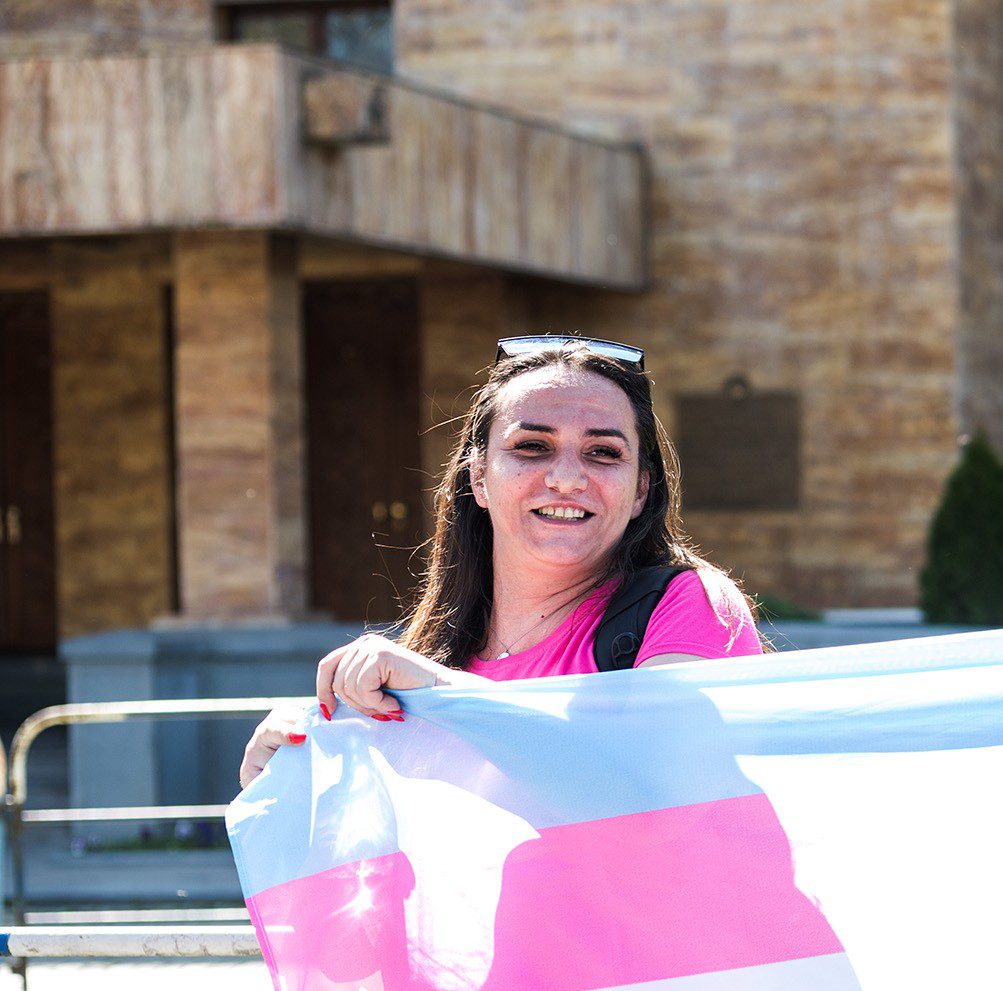
The LGBTI community in North Macedonia continues to face widespread discrimination, violence, and social exclusion, along with systemic obstacles that restrict their rights and safety, according to reports by credible domestic and international organisations that have analysed and monitored the situation in this field.
According to a survey by the Agency for Fundamental Rights (FRA),in North Macedonia only 21% of respondents can speak openly about their identity—far below the European average of 51%—while 74% actively avoid public displays of affection due to fear of harassment.
Concerns about personal safety are also reflected in the fact that 43% avoid certain areas in order to reduce the risk of being attacked. Discrimination extends to the workplace as well: 27% of LGBTI+ people experienced discrimination at work or problems during hiring in the year preceding the survey, a share higher than the EU-27 average of 19%.
According to the analytical report on the rights of LGBTI+ people in North Macedonia (2023–2025), published by the Institute for European Policy, the country’s main equality body is the Commission for the Prevention of and Protection against Discrimination. However, since its establishment in 2021, the Commission has continued to face challenges that hinder its effective functioning.
“A key challenge is the lack of financial independence, which limits the Commission’s ability to act autonomously and to fulfil its mandate without external pressure. In addition, the lack of sufficient administrative staff significantly affects the Commission’s capacity to review complaints, conduct investigations, and implement awareness-raising activities. These structural limitations directly affect the protection of vulnerable groups, including the LGBTI+ community, whose members often rely on the Commission to address discrimination cases and to safeguard their rights,” the report states.
Despite these findings, the state has still not adopted a strategy for LGBTI equality. This was also noted in the latest European Commission report, which, among other things, states that the legal protection of the rights of LGBTIQ people needs to be improved.
“The adoption of a strategy or a national plan for LGBTIQ equality is still pending. No steps have been taken to implement the January 2019 judgment of the European Court of Human Rights (ECtHR) concerning legal gender recognition. Hate speech against the community continues on social media. In 2024, civil society organisations reported 230 suspected cases of hate speech based on sexual orientation and gender identity (298 cases in 2023); however, legal responses remain insufficient,” the report emphasises.
It further notes that the legal framework governing the procedural rights of suspects and defendants, as well as the rights of victims of crime, is only partially aligned with the EU acquis and requires improvement.
“Free legal aid is available through 34 regional offices of the Ministry of Justice, relevant civil society organisations, legal clinics at law faculties, and lawyers certified to provide secondary legal aid. However, the legal aid system in criminal proceedings needs to be further strengthened in order to improve access to justice. In particular, a review of eligibility criteria for mandatory defence and for free legal aid for persons without sufficient means is needed, as well as strengthened representation of the interests of victims of crime,” the European Commission has underlined.
Meanwhile, the UN process—the Universal Periodic Review (UPR)—has identified the rights of LGBTI+ people as a priority area requiring improvement. Recommendations include stronger legal protection, a better police response to cases of discrimination and violence, and the adoption of more inclusive policies to protect the rights of vulnerable groups.
According to these assessments, aligning national policies with these commitments is essential not only for meeting international human rights obligations, but also for advancing North Macedonia’s democratic development and strengthening its prospects for integration into the European Union.