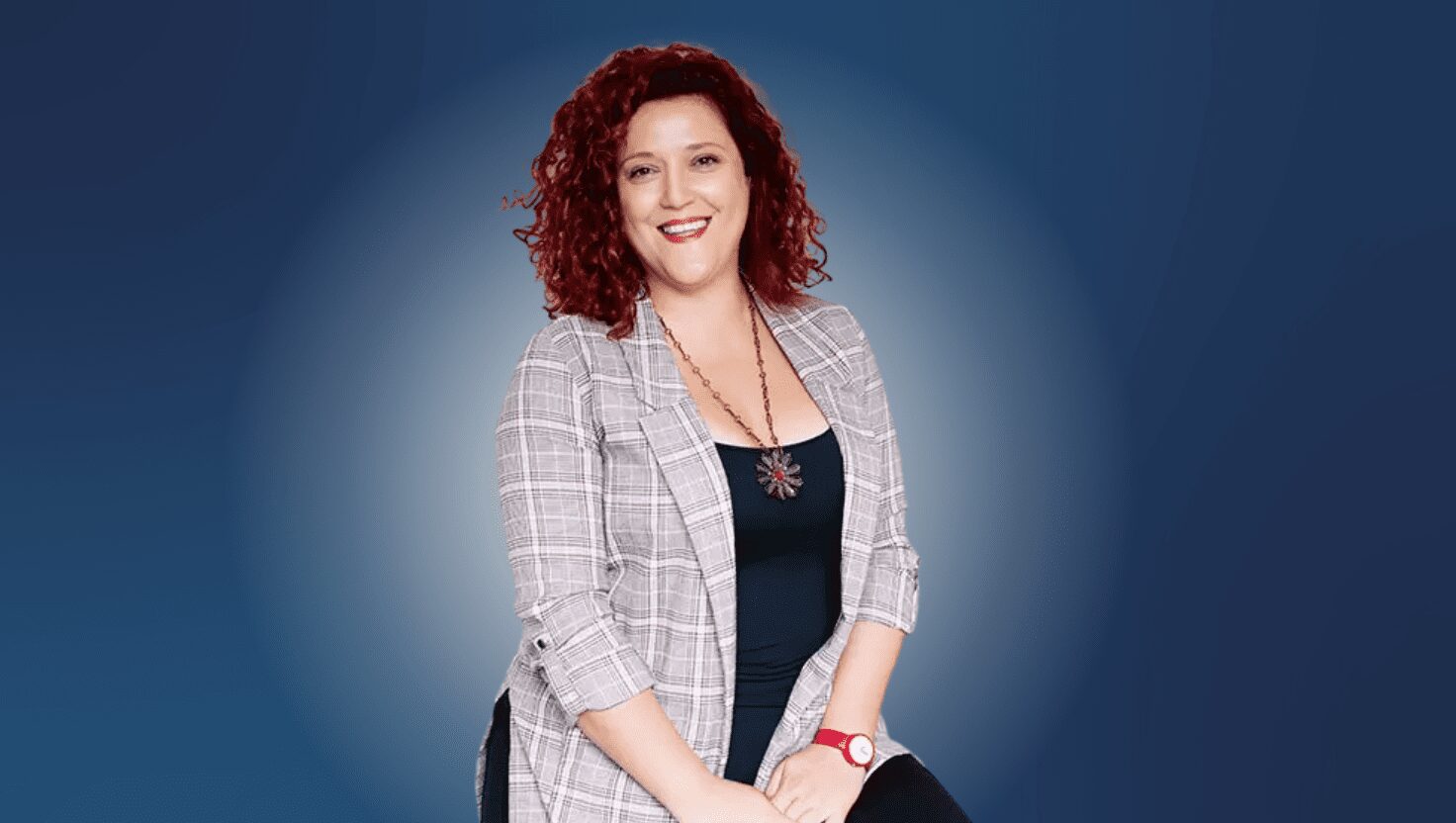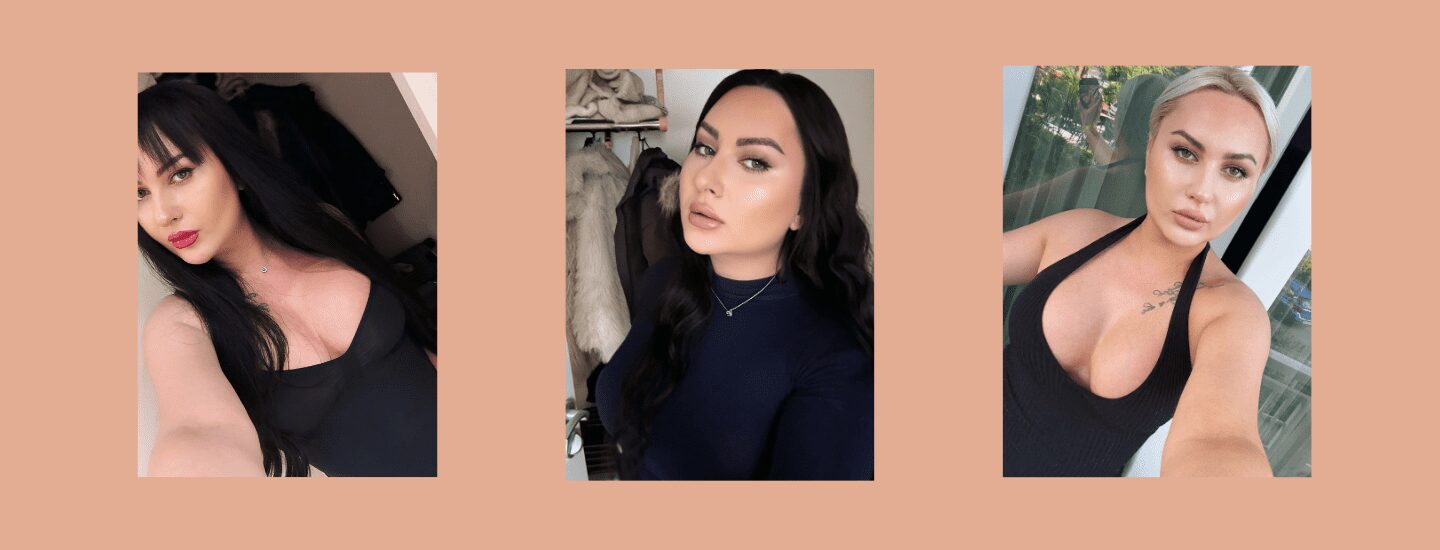
Fifi Janevska, known to regional audiences as a singer and public figure since her appearance on X Factor Adria, brings to Mollëkuqja.mk a deeply personal account of a life that, as she herself says, “began like a long film filled with pain, betrayal, and a struggle for survival.” From the moment she became aware of her identity at the age of five, through her transition, the prejudices, public debates, and encounters with institutional discrimination, Fifi’s story is one of a continuous fight for authenticity.
In this interview, she speaks candidly about the challenges of being a trans person in the Balkans, the difficult experiences in the public sphere, as well as the power of visibility, community, and a life built on acceptance and equality in Sweden. “Authenticity is not a choice, but a necessity,” she says.
When you look back on your life journey today, how would you tell your story — from the moment you understood your identity to the decision to begin your transition?
"My life journey is honestly like a long film that started out very difficult, filled with pain, betrayal, sadness, a fight for survival, manipulative relationships with narcissistic men, and a calling for my voice to be heard. But that film eventually turned into a fairytale that I managed to create myself. I transformed all the negativity into my strengths, became a very strong, confident, and self-aware person, and thanks to those difficult beginnings and setbacks, I am now living my dream and feel fulfilled as an individual. I see every experience as a blessing, regardless of whether it was negative or positive. I am infinitely grateful for all the experiences that shaped me into who I am today."
"I have been aware of my identity since the age of five. I never tried, nor did I know how, to hide who I was. From an early age, I knew that as soon as I became independent, I would begin my transition. I understood that the path I had chosen would be difficult, but for myself and my rights, I was ready for anything. Because it was neither legally nor financially easy to begin and complete my transition in North Macedonia, I decided to move to a country where I could achieve my goals without unnecessary obstacles. Authenticity is not a choice, but a necessity. Living a life in constant concealment brings far more pain than the risk of being yourself."
How was the transition process for you, both practically and emotionally? What were the greatest challenges and the moments that strengthened you the most?
"For me, the transition process was complex, both on a practical and emotional level. The practical aspect involved medical, administrative, and social steps that were often exhausting due to the lack of information and support. Emotionally, it was a journey filled with fear, but also with immense relief — every small step toward aligning my inner identity with the external world gave me strength. The greatest challenges were the many changes I had to go through, fetishistic individuals who attempted to exploit me, and the legal difficulties of changing gender markers in official documents in North Macedonia, which is why I was only able to do so in Sweden. The moments that strengthened me the most were when I began to recognize myself in the mirror and when I received support from people who truly saw and accepted me for who I am."
What is it like to be a trans person in the Balkans? Where do you feel the lack of acceptance the most, and where do you see signs of change?
"Many years have passed since I lived in the Balkans. At the time, it was extremely difficult, while today I believe things are easier, and I hope younger generations do not have to endure what I went through. Being trans in the Balkans means constantly balancing personal visibility with personal safety. The lack of acceptance is felt primarily within institutions, the healthcare system, and everyday social interactions, where ignorance often leads to stigma. However, I do see signs of change — more young people, activists, and independent media are opening space for dialogue, and topics related to gender identity are more visible than before. Change is slow, but it exists. One very important issue for me is the need to distinguish between people who are genuinely trans and those who appropriate a trans identity for personal interests, unfortunately often linked to fetishization and prostitution."
What prejudices or forms of discrimination have you personally faced, and how have they influenced your perception of the role of the LGBTQI+ community in society?
"Personally, I have encountered various forms of prejudice, ranging from stares and insults to institutional discrimination and the lack of respect for my identity. But honestly, I have never been particularly affected by the opinions of others, which made it easier for me to overcome certain situations. I was discriminated against to the extent that, during X Factor, I was placed in a band with Marinela Xhogani because they were unsure whether I should be categorized with the men or the women. There were even debates and proposals in parliament by certain politicians who wanted to ban me from appearing on television, while I was simply singing and existing on this planet. These experiences taught me the importance of having a strong and united LGBTQI+ community. They did not break me — they reinforced my belief that visibility and collective voice are essential for social change. Through shared struggle, education, and public presence, a more just and inclusive society can be created, as is the case here in Sweden, where people live in peace, equality, and no one concerns themselves with their neighbor’s orientation."
To what extent do Balkan countries provide opportunities for transition, and what are the main challenges in this process?
"Opportunities for transition in Balkan countries remain limited. Some states have minimal legal or medical frameworks, but the processes are lengthy, costly, and often humiliating. The main challenges include the lack of specialized medical professionals, dysfunctional legal procedures, and the absence of systematic support. As a result, many trans individuals are forced to seek solutions abroad, which only deepens inequality."
What message would you give to trans individuals at the beginning of their journey, as well as to societies and institutions that often fail to understand their reality?
"To trans individuals at the beginning of their journey, I would say: you are not alone, and your identity is valid, no matter how difficult the path may be. There is no single ‘right’ way or ‘right’ time to transition — every step is deeply personal and deserves respect. To society and institutions, the message is simple: trans realities are not ideology, but human lives. Acceptance, education, and institutional protection are not privileges, but fundamental human rights. Be yourself, be unique, and always be confident. The world will see you through the same lens with which you see yourself."