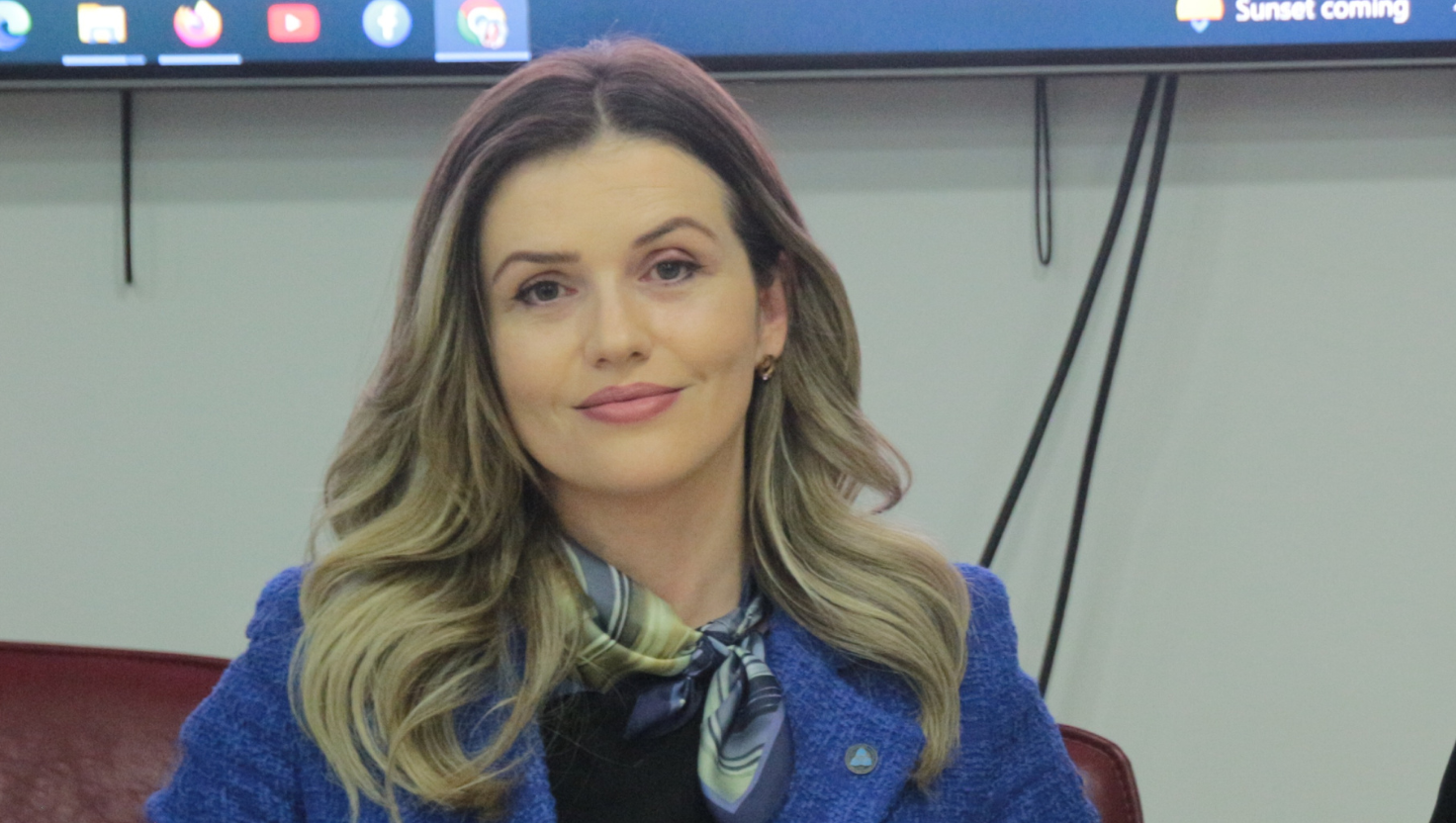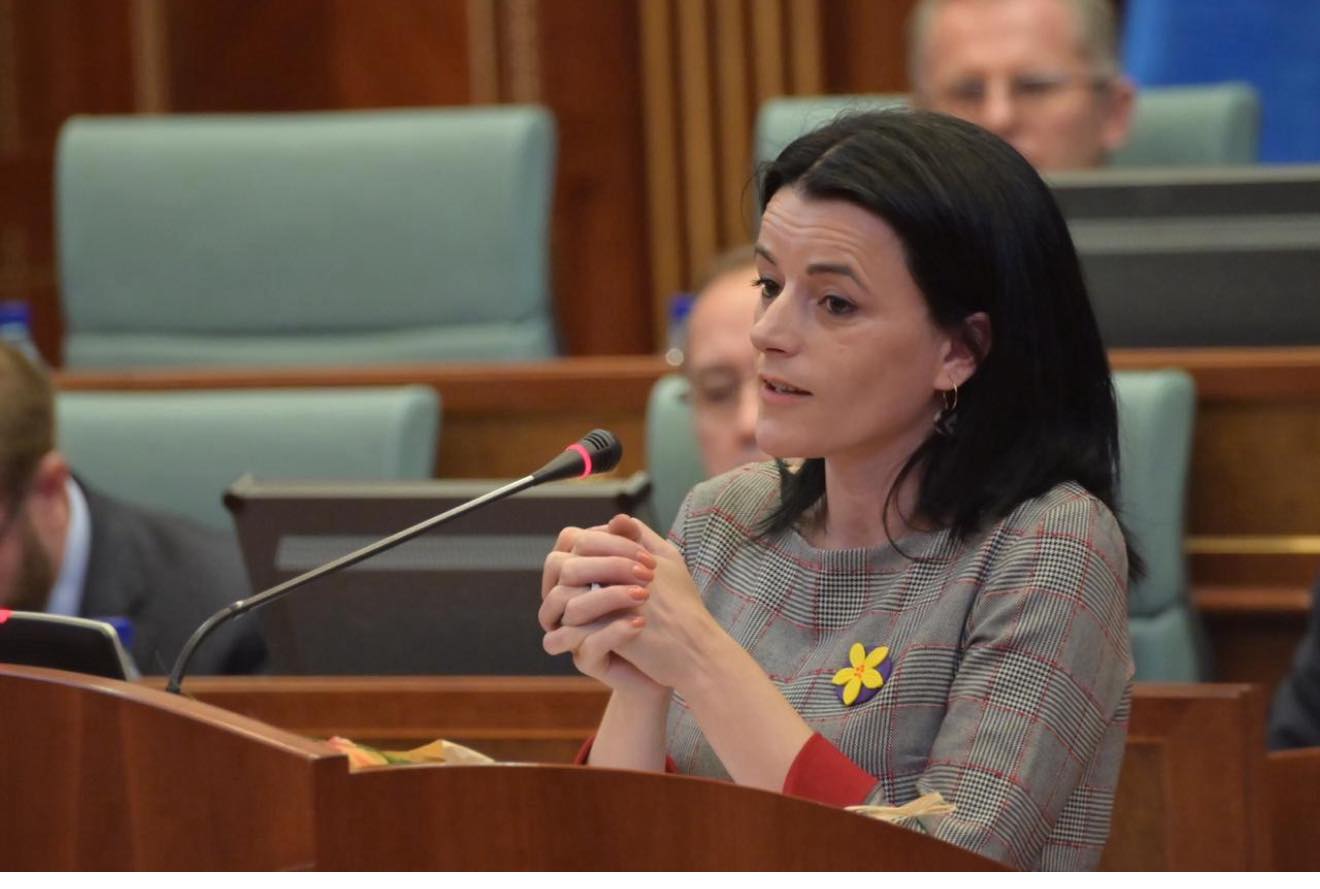
Gender-based violence remains one of the most serious social problems in North Macedonia. Despite the existing legal framework, its implementation in practice continues to fall short. In an interview for Mollëkuqja, Elena Dimushevska, Executive Director of the National Network Against Violence Against Women and Domestic Violence, speaks about institutional failures, the role of civil society organizations, and the real challenges faced by victims. Mollëkuqja, Elena Dimushevska, drejtore ekzekutive e Rrjetit Nacional kundër Dhunës ndaj Grave dhe në Familje, foli për dështimet institucionale, rolin e organizatave të shoqërisë civile dhe sfidat reale me të cilat përballen viktimat.
Based on your field experience, what are the most frequent institutional failures in addressing gender-based violence, and how do they affect victims?
“The most common shortcomings include the lack of coordination among institutions, a formalistic approach to risk assessment, and insufficient implementation of existing legal mechanisms. Institutions often react only after violence has escalated, instead of acting preventively, while risk assessments are reduced to an administrative obligation, without real follow-up or concrete protective measures.
This directly affects victims through a persistent sense of insecurity, a lack of trust in the relevant institutions and the system as a whole, as well as repeated victimization. Instead of encountering a system that provides protection and support, victims often face prolonged procedures, being referred from one institution to another, and a lack of clear information about their rights.”
To what extent is the voice of activists and NGOs genuinely heard in decision-making processes, or does advocacy remain more symbolic than impactful?
“The voice of civil society organizations is formally present, but its real influence is often limited. Consultations usually take place at later stages, when key decisions have already been made, while recommendations are rarely meaningfully integrated into policies and practices.
Although there are positive examples of cooperation, advocacy largely remains symbolic and depends on political will. Organizations with extensive experience working with victims of gender-based and domestic violence possess valuable practical expertise on a daily basis, yet this expertise is not always systematically included in policy-making processes. Instead of continuous and structured participation, their contribution is often utilized only sporadically, depending on the specific process or the institutional willingness to cooperate.”
Institutions often cite a lack of capacity. Is this a genuine limitation, or rather a lack of political will to seriously address gender-based violence?
“The lack of capacity is partly a real issue, but to a large extent it reflects a lack of political will and prioritization. The legal framework exists, international obligations are clear, but their implementation is not systematically supported through adequate resources, continuous training, and clear institutional accountability.
When something is truly a priority, capacities are built. In the case of gender-based violence, we often see declarative commitment, but without adequate budgeting, monitoring, or sanctions for institutional shortcomings.”
What burdens are civil society organizations currently carrying that should, in fact, be the responsibility of the state, and how sustainable is this situation?
“Today, civil society organizations provide a wide range of services for victims of gender-based violence, including psychosocial assistance and support, psychotherapeutic services, legal aid and representation, as well as career counseling and economic empowerment support. In addition to working directly with victims, they play a crucial role in monitoring institutional actions and identifying systemic gaps in protection.
Although this contribution is essential, such a model is hardly sustainable in the long term. It highlights the need for the state to gradually establish a more sustainable protection system, in which all these services are institutionally ensured, continuous, and equally accessible nationwide, while civil society organizations have a clearly defined, recognized, and complementary role within the system.”
In this “fight” against gender-based violence, are NGOs perceived by institutions as equal partners, or still primarily as critical voices that are often ignored?
“Civil society organizations continue to be perceived more often as critical voices rather than equal partners in policy design and implementation. Although their expertise and field experience are used in certain processes and consultations, they are not always included in a systematic and continuous manner. In such a context, critical observations are sometimes perceived as opposition rather than as constructive input aimed at improving the system.
A genuine partnership will be built when institutions recognize civil society organizations as allies in protecting victims and accept criticism as an important source of information and recommendations. The active and equal inclusion of the civil sector—especially organizations with long-standing practical experience—is essential for developing more effective, better coordinated, and more sustainable policies in the fight against gender-based violence.”
Despite legal advancements and existing mechanisms, the response to gender-based violence in North Macedonia continues to face serious challenges. The lack of institutional coordination, delayed responses, and insufficient capacities continue to have a direct impact on victims, while the role of civil society often remains limited.